
Seeds
Time for Buy Seeds
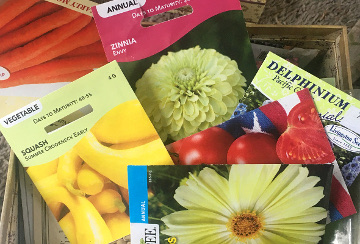
It appears the aster family is the star of plant nurseries' displays this season.
With a stunning array of zinnias, neon calendulas, multicolored cosmos, double asters, painted daisies, marigolds, and dahlias, this summer's garden is going to be a true delight of fiery colors and wild textures.
Some new varieties stood out during the search, and I'll be adding many of them to my garden soon.
-Valkyrie asters, fluffy and large like chrysanthemums, in a range of colors.
- porcupine and neon orange calendulas, brighter than the sun at noon.
- Firepot dahlias: a scorching fusion of mango and papaya.
- Double Dutch pink cosmos featuring big, carnation-style blooms.
- Fully double apricot asters, perfect for bouquets.
- giant lime zinnias; I won't spoil that image with descriptions
- Goodness gracious, Great Balls of Fire in scarlet and pumpkin: Fireball marigolds, and to conclude
- Black Narcissus semi-cactus dahlias, which aren't actually black, but a profoundly dark intense maroon.

Starting Trays
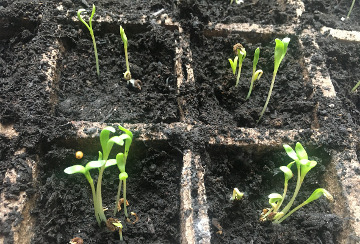
Starting trays are little plant hatcheries, which provide just the right combination of humidity, warmth, and nutrient-dense medium to make the young plants progress miraculously, with a speed that challenges that of Jack's beanstalk.
A few reminders for the best outcomes.
Place the trays in bright, but indirect light, and keep the transparent lids on the trays only until the plants emerge. After that, the humidity will foster mold, mildew, and root rot.
When the seedlings are about one inch tall, thin them to leave only one per tray. I know, it's heartbreaking. If you have the patience, the room, and a pair of tweezers, you can transplant the healthiest seedlings to other trays, one per pod. This is not possible for plants with tiny seeds, like snapdragons, unfortunately.
Don't start the seeds too soon: they'll outgrow their containers and sprawl leggy, pallid and stressed by the time the weather allows planting them in the garden. The germination chart on the back of the seed packets will help with the correct starting times.
Keep the soil moisture levels consistent and watch for signs of stress. You don't need to feed the trays; the starting mix has enough fertilizer mixed in to last for three months.
When it's time to move the plants to the garden, don't take them out directly. Harden them over the length of a week in a space protected from wind and direct sunlight. Take them outside for an hour the first day, adding an extra hour each day until the week ends.
Happy seed starting!
What Seeds to Start Outside
As soon as the soil is workable, you can begin planting cold-tolerant annuals like leafy greens, carrots, snow peas, cabbages, snapdragons, calendulas, pansies, and larkspurs.
With the vegetables ready for harvest at the start of summer, there's ample time for a second crop in the fall.